Every five years, SJW prepares an Urban Water Management Plan (UWMP) and Water Shortage Contingency Plan (WSCP) for the State of California. This is required by the Urban Water Management Planning Act passed in 1983.
Learn more
Water Quality Director Suzanne DeLorenzo pens a guest column in the May 19 issue of Water Online: "Drinking-water regulation can look unsettling — the numbers are visible and the science keeps moving. But behind these numbers is a stable foundation: multiple treatment barriers, continuous monitoring, conservative assumptions, and independent oversight — all designed to prevent harm, not simply respond to it."
Also known as the Water Quality Report, this annual summary is based on data collected in 2025, which is why it is labeled as 2025 though it is published in 2026.
We invite our customers to view or download this report to learn more about where your water comes from and how it measures up to federal and state drinking water quality standards.
Every three years, water providers with more than 10,000 service connections are required to prepare a report for contaminants that exceed any Public Health Goal.
Check out SJW's report for samples collected between 2022 and 2024 here.
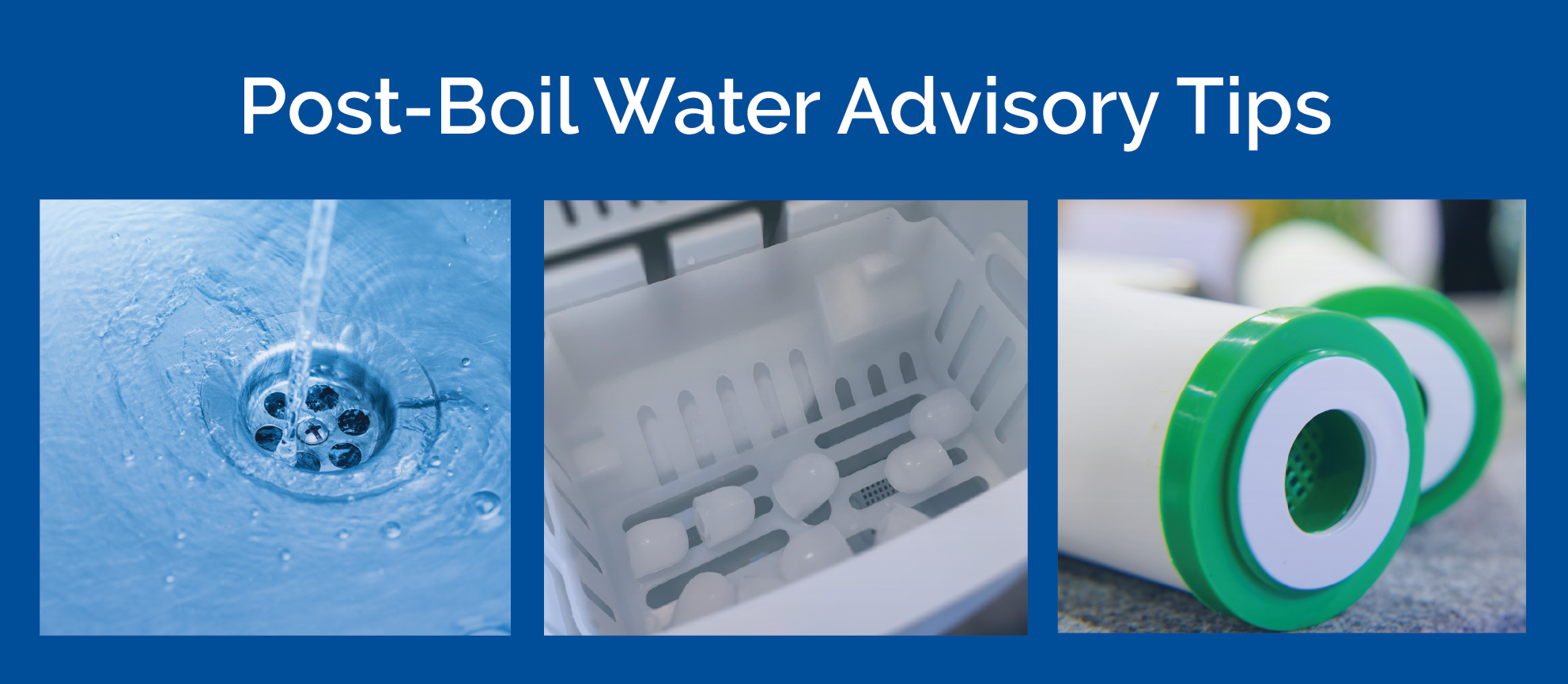
For those who have been through a boil water event (a way to ensure your water is safe if, for example, you lose water service after a power outage), here are some tips for using your water after the boil water has been lifted:
San Jose Water is committed to supplying water that meets or surpasses all state and federal drinking standards. Browse the sections below to get information on water quality topics.
In addition, you can find a summary of our most recent water testing results along with other important information in our Annual Water Quality report.
What is fluoride and how does it affect your water? See answers to these questions as well as the fluoridation levels in your area.
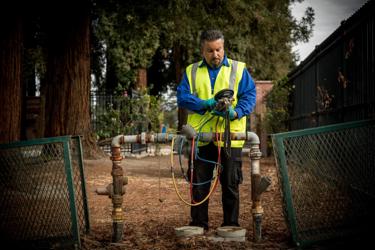
"Backflow" is the reversal of flow of a liquid, gas, or suspended solid into the potable water supply. Find out more about backflow and how we prevent it.
SJW tracks and addresses water quality issues every year. We compile our findings in our Water Quality Reports, which are available for viewing and downloading below.
2025 Report2024 Report
2023 Report
2022 Report
2021 Report
2020 Report
2019 Report
2018 Report
2017 Report
2016 Report
In accordance with new guidance and regulation revisions from the Environmental Protection Agency (EPA), water utilities across the country are working to prepare and maintain an inventory of service line materials. This publicly available inventory must be complete by October 2024.
On June 15, 2023, the U.S. Environmental Protection Agency (EPA) announced that it revised the Health Advisory levels for four specific PFAS compounds. The new Health Advisory levels are set near zero and are undetectable by modern laboratory methods at this time.